
Steganography, the art of hiding information within other seemingly innocuous files or messages, is emerging as a critical tool for ensuring privacy in an increasingly surveilled world.
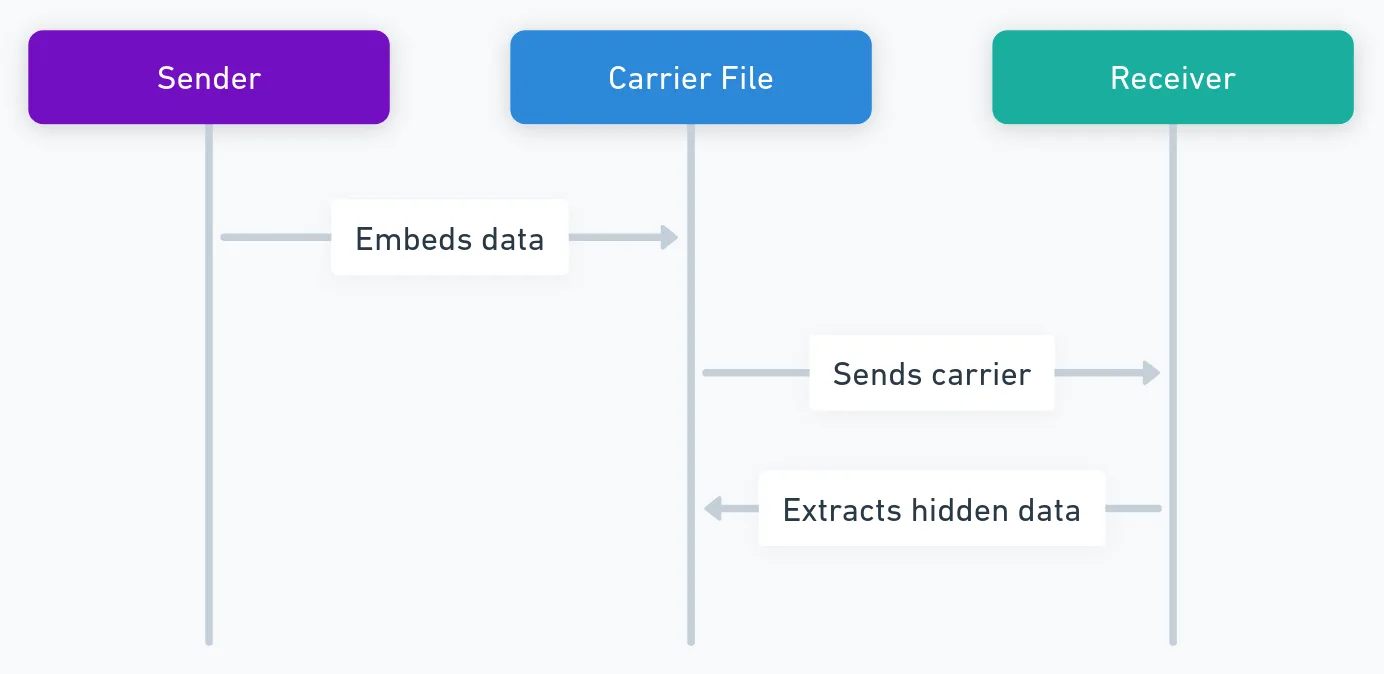
In an era where digital privacy is constantly under threat, the need for secure communication methods has never been more crucial. Steganography, a form of security through obscurity, is gaining traction as a potent means of protecting sensitive information. Unlike encryption, which clearly signals that data has been secured, steganography hides the very existence of the data, offering a double layer of protection.
Understanding Steganography
Steganography, derived from the Greek words "steganos" (covered) and "graphein" (to write), involves the practice of hiding information in plain sight. The fundamental principle of steganography is not just to conceal the content of a message, but to conceal its very existence, making detection and interception considerably more difficult. Steganography works by embedding data into digital media such as images, videos, audio files, or even plain text, making the alterations imperceptible to the naked eye or ear. This method of data hiding can involve:
- Images: Encoding secret messages in the pixel values of digital photos.
- Audio: Concealing data within low-bit rates or during brief moments of silence.
- Videos: Inserting information in certain frames that go unnoticed due to their brevity.
- Text: Hiding messages within the spaces between words or the font size of certain letters.
The methods of steganography vary, ranging from simple to highly complex techniques:
- Least Significant Bit (LSB) Insertion: One of the most common techniques in image steganography, LSB involves modifying the least significant bit of some or all of the bytes within an image. Because the changes are minimal, the modification does not significantly alter the appearance of the image to the human eye.
- Masking and Filtering: Used primarily in more robust file formats such as PNG or GIF, this method involves altering specific bits of an image to embed data. These modifications can be more significant than those in LSB but are designed to be indiscernible in areas that are less prone to scrutiny.
- Redundant Pattern Encoding: Data can be encoded by manipulating the structure of repeated patterns within a file. In text steganography, this might involve using word or letter spacing to carry hidden messages.
- Encryption and Scrambling: While not purely steganographic, combining encryption with steganography enhances security. Encrypted data can be hidden within other files, ensuring that even if the steganography is uncovered, the encrypted data still requires decryption.
Applications of Steganography
The applications of steganography are as varied as they are fascinating:
- Corporate Security: Companies can use steganography to protect trade secrets or communicate securely across global networks without alerting competitors.
- Personal Privacy: Individuals living under restrictive regimes use steganography to bypass censorship and communicate freely.
- Cybersecurity Measures: Security professionals use steganographic techniques to create additional layers of security in protecting sensitive information.
Steganography vs. Cryptography
While both steganography and cryptography are used to protect information, their methods and objectives are distinct:
- Visibility: Cryptography scrambles data, making it unintelligible without the correct decryption key. This process, while secure, makes it obvious that data has been encrypted. Steganography, on the other hand, conceals the existence of the data, so there is no apparent sign that communication is even occurring.
- Methodology: Cryptography focuses on the complexity of the encryption algorithm to secure data. Steganography relies on the cleverness of the hiding technique, often using normal-looking, everyday types of media as the carriers or covers to conceal data.
- Application: Cryptography is widely used and recognized for securing the content of communication over insecure channels. Steganography is better suited for cases where the very existence of the communication needs to be hidden. It is often used in conjunction with cryptography to add an additional layer of security.
How Steganography Enhances Privacy
Encryption alone often flags content as worth decrypting, which can attract unwanted attention from hackers or surveillance agencies. Steganography, by contrast, avoids drawing attention. For instance, a benign-looking image posted on social media could contain hidden data, accessible only to those who know it’s there and possess the necessary tools to decode it.
Recent Innovations in Steganography
Technological advancements have significantly enhanced the efficacy and accessibility of steganographic tools:
- Higher Capacity: Modern algorithms can hide larger amounts of data with minimal impact on file integrity.
- Improved Security: Integration with encryption methods ensures that even if the steganography is detected, the hidden data remains secure.
- Accessibility: New apps and software have democratized access, allowing more people to use steganography without needing deep technical knowledge.
Challenges and Ethical Considerations
Despite its potential, steganography is not without challenges:
- Detection Techniques: As steganographic methods evolve, so do the techniques to detect them, leading to a constant cat-and-mouse game between data hiders and seekers.
- Ethical Concerns: The same features that make steganography appealing for privacy advocates can also be misused by malicious actors to covertly spread malware or illicit materials.
Conclusion
Steganography represents a frontier in the quest for private communication, offering a robust alternative to traditional methods of data protection. As digital communication becomes more pervasive, the significance of steganography in safeguarding information cannot be overstated. Its development and ethical deployment will undoubtedly play a pivotal role in shaping the future of private communications.